MediBitesMediBites Nutrition ▶ YouTube
🥑
Free 2-minute calorie check

Can you spot the hidden calories?

No real meal all morning, yet a full day's calories before lunch. It happens through drinks, snacks, and quick bites that barely register. Guess ten everyday items, see the real numbers, and learn where they hide.

10 quick guesses · real numbers revealed · free guide at the end
Item 1 of 10
01
Your guess
calories, give or take

Numbers are approximate. Real calories vary with brand, size and recipe, so treat these as a rough guide, not an exact count.

0/ 10

Your Hidden Calorie Map is ready

Where should we send it? You'll get the full map plus the occasional bite-sized nutrition note. No spam, unsubscribe anytime.

Please enter a valid email address.
👀

Your Hidden Calorie Map

You don't have to cut any of these out. You just have to see them. Here's where the calories quietly stack up, and the calm ways to notice them.

First, the mindset

Nothing here is the enemy

Hidden calories aren't "bad foods". They're normal foods eaten in a way that doesn't register: through a straw, with one hand, standing up, on autopilot. Because none of it feels like a meal, none of it fills you up, and it's easy to repeat without noticing. The fix isn't guilt. It's just seeing it once.

Where they hide

The four hiding places

🥤
Liquid calories
Blended coffees, smoothies, juice, soda, alcohol. They slip past because drinks don't fill you up.
🥗
The health halo
Granola, smoothie bowls, nut butter, dressings, "healthy" but dense. Good food, easy to over-pour.
🍪
Mindless grazing
Desk cookies, samples, finishing the kids' plate. Bites you never actually taste.
🥛
Extras & pours
Dressing, mayo, creamer, oil. Small pours that quietly double the calories of the meal.
The real numbers

What they actually cost

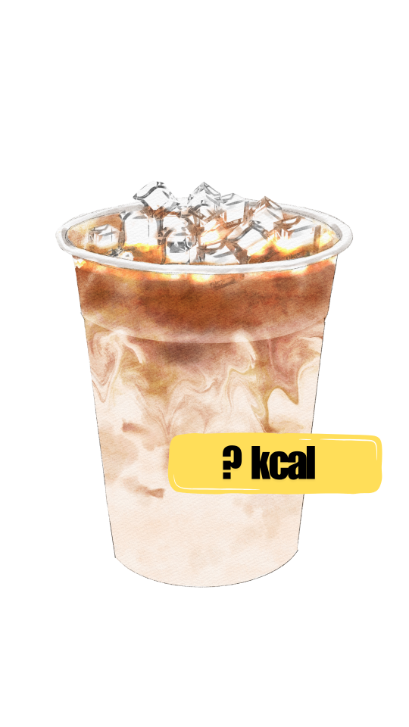
🥤Large blended iced coffee~590 cal
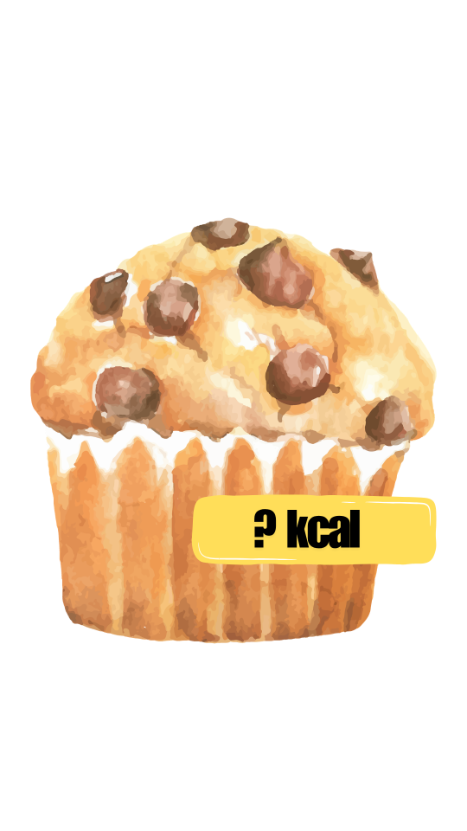
🥐Bakery muffin~400 cal
🥗Large store smoothie~450 cal
🎂Slice of frosted cake~370 cal
🧀Two casual handfuls of nuts~320 cal
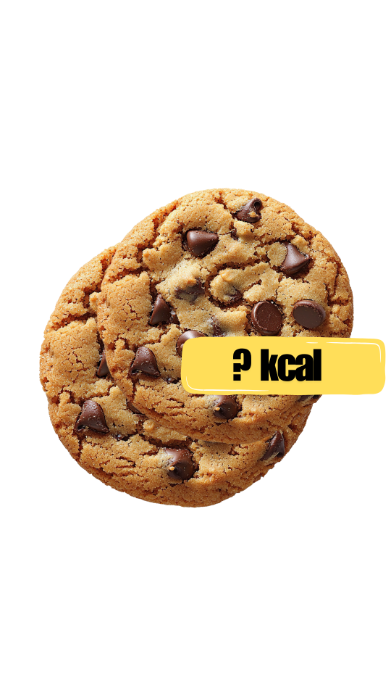
🍪Two cookies at your desk~250 cal
🍷Two glasses of wine~250 cal
🥘Two tbsp of nut butter~190 cal
🥗Two tbsp of creamy dressing~145 cal
🥤A can of regular soda~150 cal

Grab a blended coffee, a muffin, a slice of cake, and a couple of cookies before noon and you're already near a full day's worth, about 2,000 calories, without a single thing that felt like a meal.

Every figure here is an approximate average. Actual calories change with brand, portion size and recipe, so use them to spot the pattern, not as an exact count.

Make them visible

Keep it, just tweak it

Feels light
Large blended coffee
Half the calories
Iced coffee + a splash of milk
Keeps the ritual, drops 300–400 calories
Feels healthy
Large fruit smoothie
Fills you up
Whole fruit + plain yogurt
Same fruit, but the fiber and chewing keep you full
Barely counts
Soda or juice with lunch
Free
Sparkling water + lemon
Removes a pile of liquid sugar you never chewed
Just a drizzle
Creamy dressing, poured free-hand
You control it
Olive oil + lemon, on the side
Dip the fork instead of drowning the bowl
Autopilot
Grazing from the bag or tray
Now you see it
Put a portion on a plate
A plate turns invisible bites into a real snack
The whole guide, in three lines

Three habits that do most of the work

1Chew your calories, don't drink them.Keep most calories on a fork. Drinks slip past the fullness signal entirely.
2Put it on a plate.If it's worth eating, it's worth seeing. Bites from a bag or tray never register.
3Watch the health halo.Granola, nut butter, oil and dressing are good foods that are also calorie-dense. A little goes a long way.

Want to build better nutrition habits?

If seeing these numbers made it click, the book takes it further: the nutrition basics that actually matter and the small, everyday habits that make eating well feel simple, so you can spot this on your own.

See the book

This tool is general nutrition information from a BSc in Nutrition, not medical advice, and calorie awareness is not a personal target. All figures are rounded, real-world averages that vary by brand and size. The ~2,000 calorie figure is the general daily food-label reference (US Dietary Guidelines; NHS ~2,000 for women, ~2,500 for men). If you have a health condition or take medication, check with your doctor before making changes.